

Artificial Plants
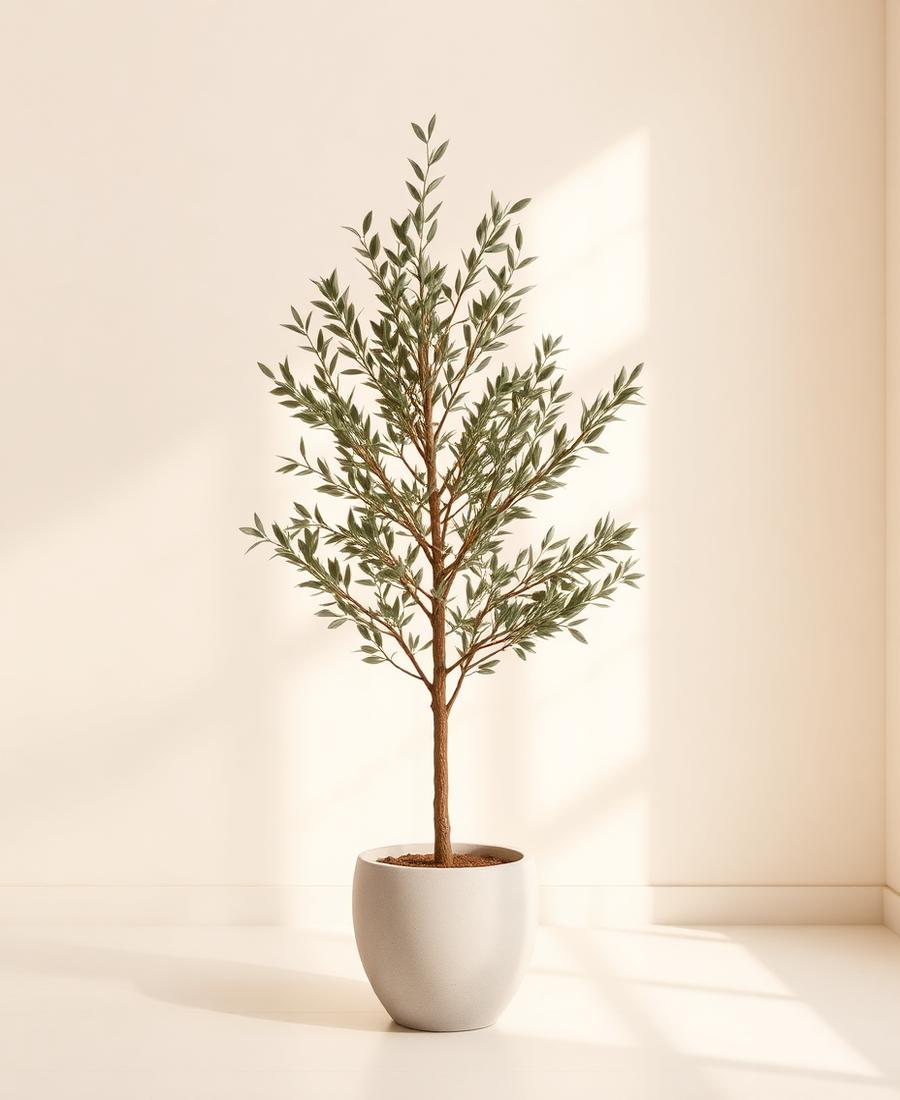
Artificial plants are everything below tree height — potted greenery, trailing vines, ferns, ornamental grasses and succulents. This is the layer that makes a styled space read as genuinely planted rather than decorated: trees give a room its structure, and plants supply the mid-level and low-level detail that stops the structure looking staged.
Showing 24 of 40 products

Artificial Magnolia Tree — 5 to 7 ft, S-Curve Trunk, White Planter
5 ft – 7 ft (60–84 in)
US$232.99 USD


Artificial Fiddle Leaf Fig Tree — 4 to 7 ft, Weighted Planter, 5-Minute Assembly
120 cm – 210 cm (4–7 ft)
US$247.99 USD

Artificial Fiddle Leaf Fig Tree — 5 to 7 ft, White Planter with Real Wood Trunk
5 ft – 7 ft (152–213 cm)
US$247.99 USD


Artificial Banana Tree, 5 to 6 ft, Wire-Shapeable Branches, Grey Planter
5 ft – 6 ft (152–183 cm)
US$203.99 USD


Artificial plants are everything below tree height — potted greenery, trailing vines, ferns, ornamental grasses and succulents. This is the layer that makes a styled space read as genuinely planted rather than decorated: trees give a room its structure, and plants supply the mid-level and low-level detail that stops the structure looking staged.
Are artificial plants outdated?
The opposite, though the question is understandable — what is outdated is the plastic ivy of twenty years ago, and that is usually what people are picturing. Modern faux greenery is moulded from real leaf casts, printed with several greens per leaf and finished matte, and the difference is obvious at arm's length. What genuinely dates a scheme is styling rather than material: one glossy plant in a shiny black pot looks synthetic in any decade. Mix leaf shapes, use matte pots, and top the surface with real moss or gravel.
How do you keep artificial plants looking real?
Dust them, and break the symmetry. Dust gives faux greenery away far more often than the foliage does — a grey film on an upper leaf surface reads as fake instantly — so wipe with a dry microfibre cloth every few weeks and take larger pieces outside for a shake once or twice a year. Then resist regularity: real plants grow to different heights and lean toward light, so bend a few stems, stagger pot heights, and never set two identical plants side by side. Pair with a tree from Indoor Trees for a complete scheme.
How to choose the right size
Plants are sized to their surface and to whatever sits beside them, using a simple rule: roughly two-thirds the height of the object it accompanies, or one and a half times that object if the plant stands alone on the floor. On a 75 cm console that means a 40 to 50 cm plant; beside a 45 cm sofa arm, about 30 cm. Floor-standing plants under 60 cm generally vanish and do better lifted onto a stand. For the layer between plants and trees, see Grasses, Ferns & Shrubs and Succulents & Desert Plants.
Frequently asked questions
Can artificial plants go outside in a Canadian winter?
Only specific products in this range are placement-rated for it — most plants here are styled for indoor surfaces, so check the individual product page for outdoor or covered-outdoor use before moving one out. Where a plant is rated outdoor, UV-stabilised foliage and a weighted pot matter more than the cold itself, since freeze-thaw cycling and wind are the practical stresses on a small potted piece. See artificial plants outdoors in a Canadian winter.
Do artificial plants fade in sunlight?
Unstabilised foliage can fade and grow brittle with sustained direct sun, which is the main way an indoor plant loses its colour in a bright south-facing window over a year or two. UV-stabilised foliage resists that fade and is worth checking for on any plant kept in strong light, indoors or out. The product page states whether UV stabilisation applies; where it isn't mentioned, keep the plant out of harsh, direct midday sun as a precaution.
Do artificial plants arrive already potted, and can we swap the pot?
Most plants in this collection ship potted, ready to place, since a small piece doesn't need the sectional assembly a floor tree does. Whether a specific pot is included or sold separately depends on the product, so check the page before ordering. Any potted plant can be repotted into a different container afterward — lift the root ball or foam block out of the nursery pot and set it into the new one, packing loosely with filler if it sits too low.
Are artificial plants safe to have around pets?
They carry none of the toxicity risk that some live houseplants do, since there's no sap or plant compound for a curious cat or dog to ingest. The practical risk is physical rather than chemical: a determined pet can chew leaves, stems or foam growing medium loose, which is a choking or digestion concern rather than a poisoning one. Choose sturdier, well-anchored pieces for a household with chewers and place delicate trailing plants out of reach. See artificial plants and pet safety.
Do artificial plants need assembly when they arrive?
Generally very little. A potted plant usually needs only unpacking and a few minutes fanning stems and leaves outward to remove flattening from the box, since foliage travels compressed against the stem to save space. Multi-stem or trailing pieces may need the individual stems separated and arranged rather than left bundled together. Larger floor plants can have a stem or two to seat into the base. See our unboxing and shaping guide for general handling.