
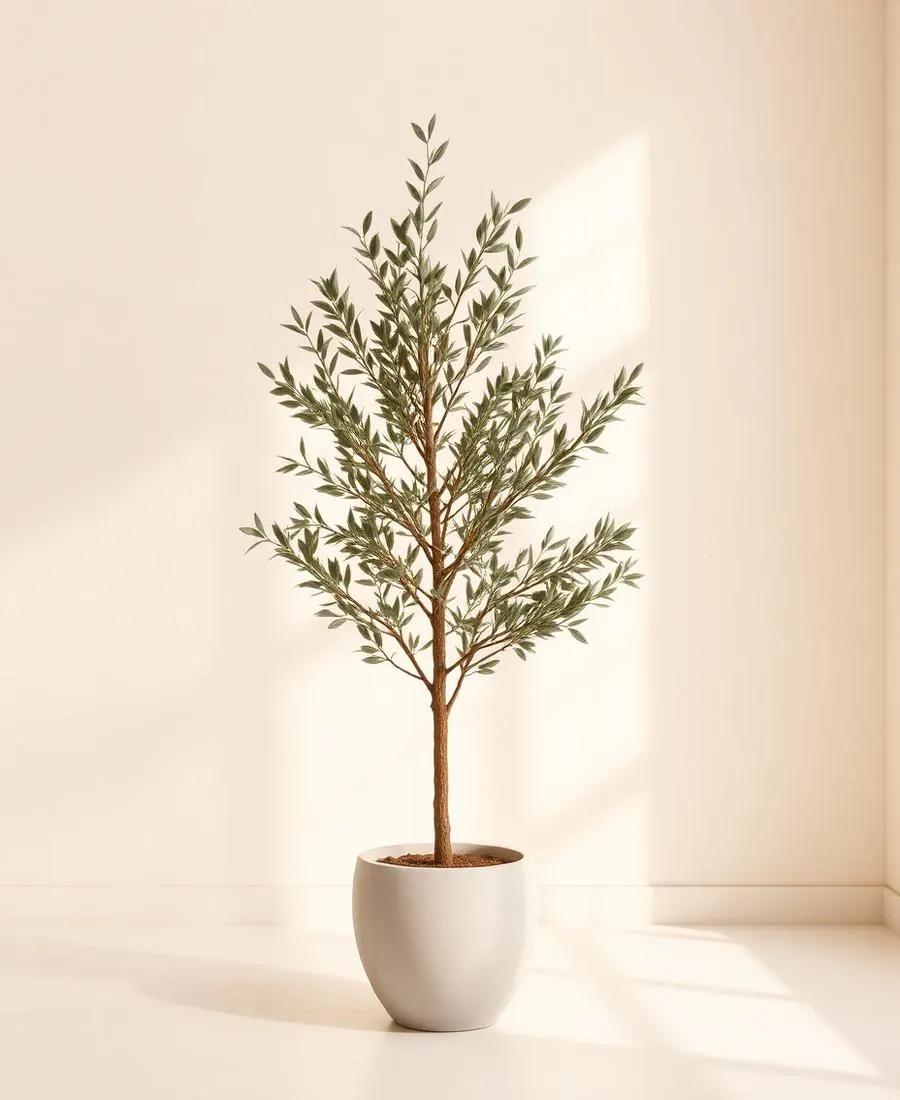
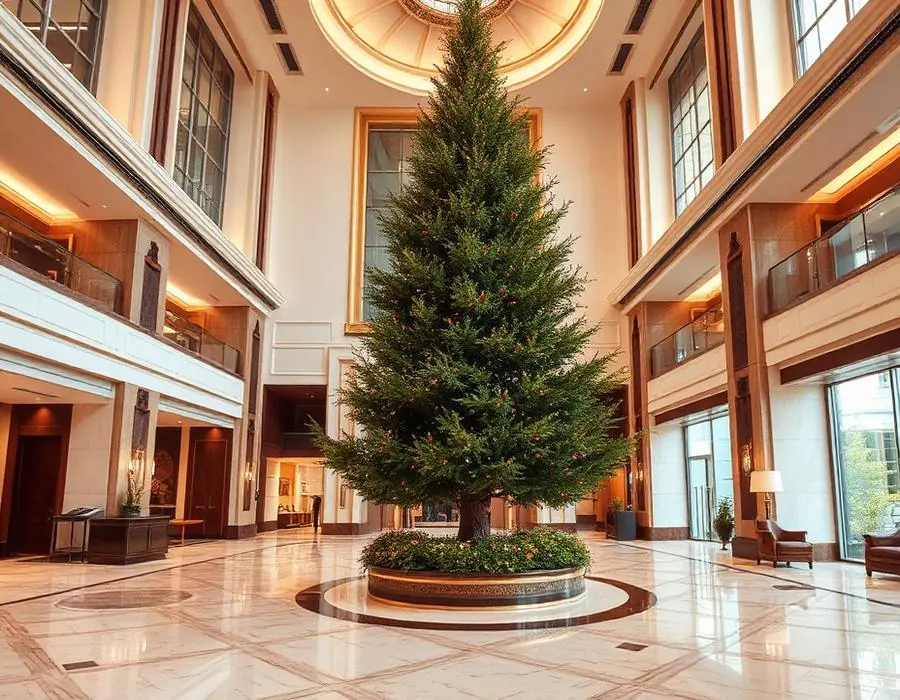

For Clinics & Healthcare
Artificial plants for clinics are wipeable, soil-free greenery specified for waiting rooms, reception counters and treatment corridors, where nobody on the roster is hired to water anything and every surface has to survive a cleaning protocol. Every Eververda product page carries a specification table of what the manufacturer documented, with "Not specified" wherever nothing is documented (375 fields across 152 products were rewritten to that standard in October 2026), which matters in a clinic because the foliage line tells you whether a leaf will take a disinfectant wipe.
Eververda lists 34 pieces in For Clinics & Healthcare, from $72 USD to $4,502 USD. Of those, 12 are quoted rather than priced at checkout, because delivery for these is priced with the item rather than at checkout.
34 productsShowing 24 of 34 products


Artificial Clusia Tree 11.5 to 15 ft Fiberglass Trunk
11.5 ft (3.5 m); 13 ft and 15 ft by quote
From $3,279 USD$3,559 USD


Artificial Fiddle Leaf Fig Tree, 4 to 7 ft, 48 to 141 Leaves by Height
4 ft to 7 ft (122 to 213 cm)
From $269.99 USD


Artificial Fiddle Leaf Fig Tree, 4 to 6 ft, Black Planter with Weighted Base
4 ft to 6 ft (122 to 183 cm)
From $232.99 USD

Artificial Areca Palm Tree, 4 to 6 ft, 15 to 21 Leaves by Height
4 ft (122 cm) to 6 ft (183 cm)
From $210.99 USD


Artificial Monstera Deliciosa, 90 to 120 cm, Black Pot, Single or Pair
90 cm to 120 cm
From $137.99 USD

Artificial Banana Tree, 5 to 6 ft, Wire-Shapeable Branches, Grey Planter
5 ft to 6 ft (152 to 183 cm)
From $203.99 USD

Artificial Cedar Topiary Trees, Set of 2, 3 to 5 ft, Carbon Steel Trunk with Cement Base
36 in to 60 in, each tree
From $239.99 USD

Artificial Fiddle Leaf Fig Tree, 4 to 7 ft, Grey Pot with Weighted Base
4 ft to 7 ft (122 to 213 cm)
From $198.99 USD

Hanging Artificial Grass Wall Panel 3.3 x 3.3 ft
From $191 USD, request a quote

Artificial Jungle Wall Panel, 1.6 x 3.3 ft (0.50 x 1.00 m), Tropical Plastic Plants
From $92 USD, request a quote


Artificial Banana Tree, 5 to 6 ft, UV-Resistant PE Leaves in Woven Planter
5 ft to 6 ft (152 to 183 cm)
From $218.99 USD

Water Resistant Artificial Grass Wall Panel 50 x 50 cm
From $92 USD, request a quote

Green Wall Hedge Panel 30 mm Pile 1.3 x 2.0 ft
From $72 USD, request a quote
Artificial plants for clinics are wipeable, soil-free greenery specified for waiting rooms, reception counters and treatment corridors, where nobody on the roster is hired to water anything and every surface has to survive a cleaning protocol. Every Eververda product page carries a specification table of what the manufacturer documented, with "Not specified" wherever nothing is documented (375 fields across 152 products were rewritten to that standard in October 2026), which matters in a clinic because the foliage line tells you whether a leaf will take a disinfectant wipe.
Our position on fire documentation. Eververda publishes a fire figure only where documentation exists for that specific piece, and describes nothing as "fire rated". On a commercial quote we establish the occupancy, the adopted code edition and what your authority having jurisdiction (AHJ) will accept as documentation, in writing, before the order. Where no documented route exists for a piece, we say so and set out the alternatives. We do not claim a certificate for any product.
Why do clinics choose artificial plants over live ones?
For operational reasons, none of them a claim about what a plant does to a patient. Soil and standing water are a housekeeping variable in a room run on defined cleaning protocols. A scented or pollen-shedding display draws comfort complaints from people who arrived already unwell. Plant care has no named owner, and a browning plant in the room every patient sits in sends the wrong signal. Where a unit serves immunosuppressed patients, the CDC's environmental infection control guidelines for health-care facilities say not to allow fresh or dried flowers or potted plants (CDC page, version of 11 January 2024); whether that applies to a given clinic is for its own infection-control lead to decide.
Which artificial plants work best in a clinic waiting room?
Match the format to the space. A waiting-room corner suits a weighted-base tree, such as a fiddle leaf fig, areca palm or dracaena, low and wide enough to absorb contact from a wheelchair footrest or cleaning cart. A windowless treatment corridor or exam-room wall suits a flat panel, which adds no floor footprint at all. A health-system entrance suits a large-format specimen, which is quoted rather than priced from stock. Moulded PE or plastic foliage wipes down like a countertop, while fabric silk leaves do not take repeated wiping, so read the foliage line in the specification table before you choose. Browse Green Walls & Vertical Gardens.
How much floor space should a plant leave clear for mobility aids?
Clearance is set by the building and fire code your AHJ has adopted and by the facility's own accessibility policy, so confirm any figure with your code consultant. What a clinic controls is footprint: a floor plant belongs inside the required clearance, not narrowing it. Measure the corridor or doorway before ordering, keep reception's sightline to the waiting area open, and buy a weighted or cement-filled base to begin with rather than ballasting a light nursery pot afterwards. Our clinic guide covers layout in full.
Frequently asked questions
Do clinics need fire documentation for artificial plants?
A clinic is a commercial interior, so ask any supplier what documentation exists for the specific product and put it in front of the facility's fire consultant, not a verbal assurance. What applies depends on the occupancy, the code edition your jurisdiction has adopted and your AHJ, who decides what is acceptable. In the United States, the International Fire Code accepts either NFPA 701 (Test Method 1 or 2) or NFPA 289 (20 kW ignition source, 100 kW maximum heat release rate) for artificial vegetation, at Section 807.4.1 from the 2018 edition onward and Section 806.2 in the 2015 edition, which some jurisdictions still run. In Ontario, Article 2.3.2.1 of the Ontario Fire Code (O. Reg. 213/07) requires decorative materials to meet CAN/ULC-S109 in listed locations, a lobby or exit among them, but the Code does not name artificial vegetation, so applying it to a tree rests on a broad reading. Outside Ontario, confirm the code in force with your AHJ. We publish a fire figure only where documentation exists for that specific piece, and we do not claim a certificate for any product. See fire documentation for commercial artificial greenery.
How often should a clinic wipe down its artificial plants?
On the same cadence as the rest of the room. The CDC's outpatient guidance ties surface cleaning frequency to patient contact and soiling rather than setting an interval for decor. PE or plastic foliage takes a damp cloth or disinfectant wipe; a wall panel wipes in one pass.
Is artificial foliage suitable for a veterinary waiting room?
It removes the live-plant toxicity question, but a pet can still swallow a loose fragment, so choose moulded or securely bonded pieces with no felt fruit, beads or wired stems, out of nose-and-paw reach.
What if a piece arrives damaged or is not as described?
You have 30 days to return an order and 48 hours from delivery to report shipping damage. Anything damaged, defective or incorrect is repaired, replaced or refunded at Eververda's cost, with no restocking fee on those.
Guides to buying For Clinics & Healthcare
Sizes, prices, materials and what to specify, written for the questions buyers actually ask before they commit.