
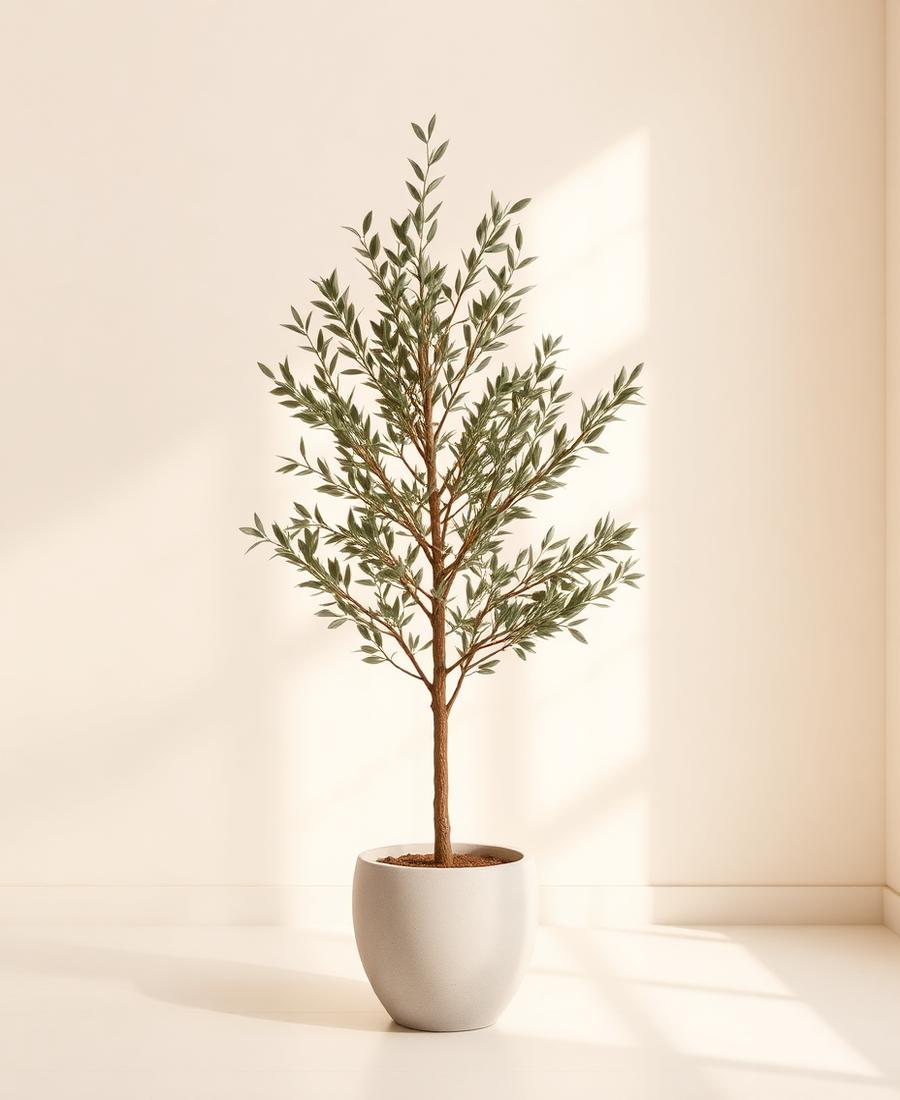
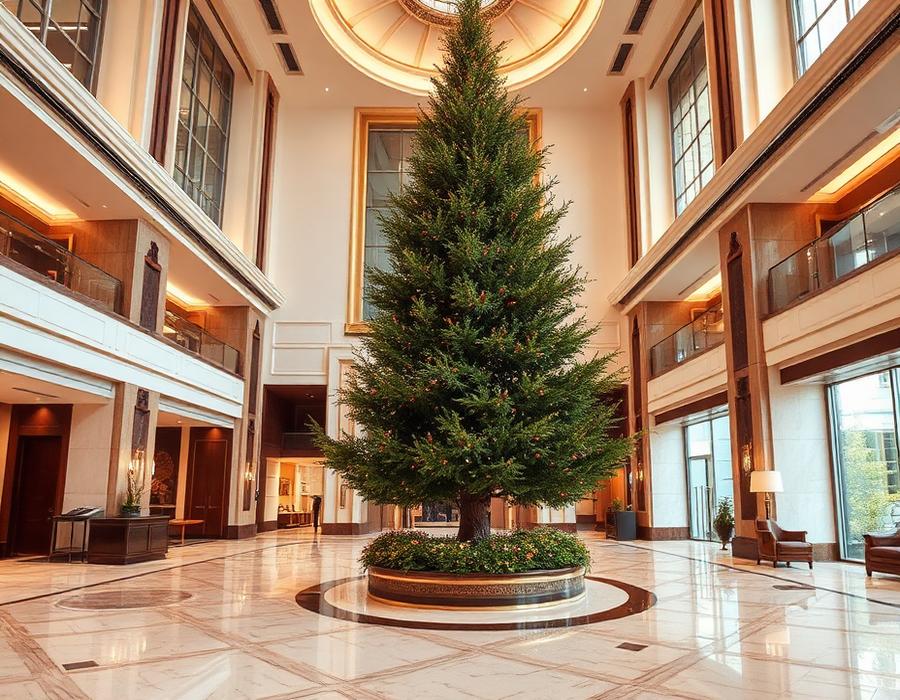

Artificial Fiddle Leaf Fig Tree — 6 ft, White Pot with Moss-Topped Soil
6 ft, single size
From $529 CAD — request a quote
Questions before you order? Email support@eververda.com
Minimalist artificial plants are single clean silhouettes in a restricted palette - simple forms, muted greens, plain planters, nothing competing for attention. The collection exists for interiors where restraint is the design and a plant has to earn its place by shape alone rather than by volume or colour.
Showing 21 of 21 products
6 ft, single size
From $529 CAD — request a quote


120 cm – 210 cm (4–7 ft)
From $339 CAD — request a quote

4 ft – 7 ft (122–213 cm)
From $369 CAD — request a quote

6 ft
From $409 CAD — request a quote

From $249 CAD — request a quote

From $279 CAD — request a quote

From $279 CAD — request a quote

29 in (about 74 cm)
From $459 CAD — request a quote

48 in
From $599 CAD — request a quote

7 ft (213 cm)
From $689 CAD — request a quote

4 ft
From $369 CAD — request a quote


3 ft (27 leaves)
From $249 CAD — request a quote

55 cm (22 in), each
From $229 CAD — request a quote

160 cm – 180 cm (5.2–5.9 ft)
From $429 CAD — request a quote

4 ft (122 cm)
From $329 CAD — request a quote

4 ft – 6 ft (122–183 cm)
From $319 CAD — request a quote

60 in – 84 in (152–213 cm)
From $249 CAD — request a quote

4 ft – 7 ft (122–213 cm)
From $244.99 CAD — request a quote
Minimalist artificial plants are single clean silhouettes in a restricted palette - simple forms, muted greens, plain planters, nothing competing for attention. The collection exists for interiors where restraint is the design and a plant has to earn its place by shape alone rather than by volume or colour. It suits pared-back residential schemes, galleries, studios and quiet reception areas.
Ones with a readable outline. In a minimal room the plant is seen as a shape against a plain wall, so the species that work are the ones you could recognise in silhouette - olive, a single-stem ficus, bamboo, a sparse maple, an agave. What fails is anything busy: mixed arrangements, flowering pieces, trailing foliage and dense bushy shrubs all add visual noise, which is precisely what the room has been designed to remove. Colour discipline matters as much as form. Stay within one or two greens across the whole scheme, and avoid variegated foliage entirely.
Usually one, occasionally two, almost never more. The instinct when a room feels bare is to add pieces, and in a minimal interior that is the error that undoes the scheme, because each additional plant halves the impact of the one before it. If a single specimen is not holding the room, the answer is a bigger specimen rather than a second one. Where you do use two, make them identical and place them symmetrically, which reads as architecture. Two different plants in the same room reads as an unfinished collection. See Japanese-Inspired.
Go one size up from what the room appears to ask for. A minimal interior holds fewer objects, so each one carries more weight, and a modestly sized plant looks tentative rather than restrained. Against a plain wall in a standard-ceiling room, 6 to 7 feet is usually right where 4 feet would do in a fully furnished room. Keep the planter low, matte and neutral so it recedes and the silhouette does the work. Browse Artificial Bonsai Trees and Medium Trees.
Dust each leaf individually with a soft cloth or a feather duster, since a minimalist room puts the plant close enough to a sightline that a dusty leaf reads immediately. A cool hair dryer setting clears the base of the canopy where leaves overlap. Wipe the planter separately with a damp cloth, since a marked or dusty pot undermines the clean silhouette as much as dust on the foliage does.
Some can. A number of pieces on this page are rated for a covered outdoor spot, and a smaller group for full outdoor exposure, which suits a minimal courtyard or terrace where a single clean form is exactly the effect wanted. Check the placement stated on the product page rather than assuming, since the style does not indicate the rating.
A single-stem tree such as a fiddle leaf fig or bird of paradise ships with the trunk in one or two sections and the leaves folded close to the stem, so setup is largely reshaping the foliage by hand rather than building a branch structure. Topiary forms typically arrive closer to their finished shape and need only a light fluff.
Yes, the figure on each product page is the full assembled height, tree plus pot, unless stated otherwise. In a minimal room where the plant is judged purely on silhouette against a wall, that combined number is what actually determines whether the proportion works.
Real fiddle leaf figs are notoriously fussy: they drop leaves at a change in light, a draught or a move between rooms, and most struggle in the low, even light a minimalist interior often relies on. A faux specimen holds the exact silhouette the style depends on permanently, with none of that sensitivity, at the cost of it staying fixed rather than continuing to grow and change shape over time.