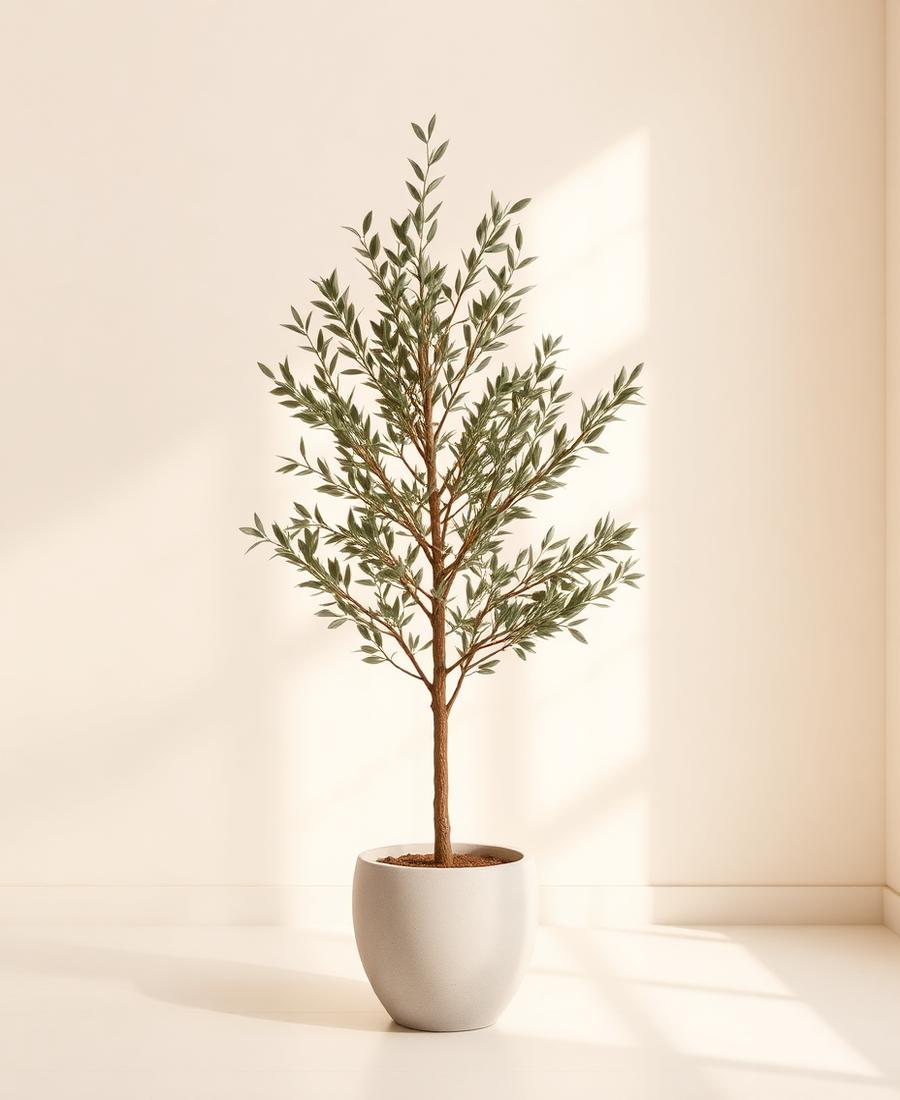
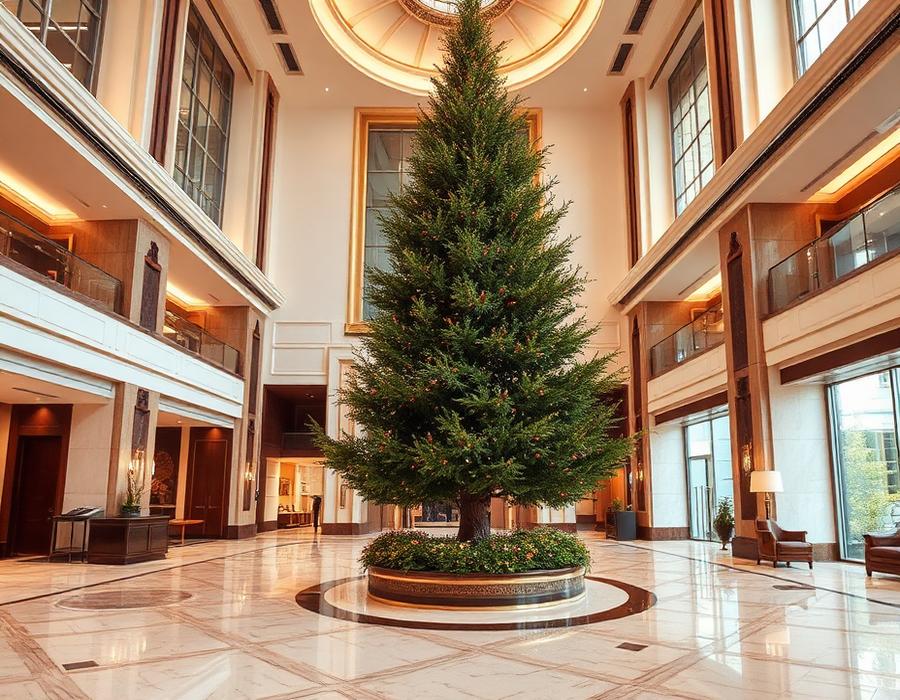

Artificial Cedar Topiary Bushes — 60 to 180 cm, Single or Set of 2
60 cm - 180 cm
From $169 CAD — request a quote
Questions before you order? Email support@eververda.com
Topiary is already a geometric object, which is why the artificial version reads convincingly in a way a faux tree rarely matches — spirals, pom-pom spheres, cones and towers in boxwood, cedar, cypress and pine, from a 2 ft grey-pot spiral for a hallway up to a 15 ft cypress tower built for a hotel or event entrance. Trunk construction ranges from lightweight synthetic stems to a carbon-steel trunk set in a cement base for outdoor stability.
Showing 7 of 7 products
60 cm - 180 cm
From $169 CAD — request a quote

48 in
From $599 CAD — request a quote

7 ft (213 cm)
From $689 CAD — request a quote

4 ft
From $369 CAD — request a quote


17.3 in - 23.2 in diameter
From $249 CAD — request a quote

36 in - 60 in
From $329 CAD — request a quote
Topiary is already a geometric object, which is why the artificial version reads convincingly in a way a faux tree rarely matches — spirals, pom-pom spheres, cones and towers in boxwood, cedar, cypress and pine, from a 2 ft grey-pot spiral for a hallway up to a 15 ft cypress tower built for a hotel or event entrance. Trunk construction ranges from lightweight synthetic stems to a carbon-steel trunk set in a cement base for outdoor stability. Placement spans fully indoor through covered patio to open outdoor exposure, depending on the piece.
A spiral topiary — the 4 ft slender boxwood or the 7 ft covered-outdoor version — draws the eye upward and works well flanking a narrow doorway where width is limited. Pom-pom and ball topiary, with foliage clipped into stacked spheres, reads as more formal and symmetrical, suited to a pair either side of an entrance. Cones and towers, including the 8 ft conical sculpture and the 15 ft cypress tower, carry the most visual mass and work as a single anchor piece rather than a matched pair.
Boxwood is the classic clipped-hedge look, with small, dense, matte-green foliage that reads as formally maintained. Cedar and cypress carry a slightly softer, more textured foliage and show up on more of the outdoor-rated and UV-treated pieces here, including the cypress tower and cliff-style pieces. Pine appears on one pine-cypress ball hybrid for a slightly different needle texture. All four species hold a clipped shape equally well once formed — the choice is mostly about foliage texture and which look fits a Mediterranean, minimalist or modern setting.
Under 4 ft, spiral and ball topiary suits a hallway, entryway table or a pair beside a smaller door. At 4 to 6 ft, including the four-tier pom-pom sphere and the carbon-steel-trunk cedar, you're at standard entryway or patio-flanking scale. Past 6 ft — the 7 ft covered-outdoor spiral, the 8 ft conical sculpture and the 10 to 15 ft cypress pieces — you're building for a commercial entrance, hotel lobby or event installation rather than a residential doorway.
Check placement carefully here, since it varies more within this collection than most. Several pieces, including the UV-treated cypress topiary and the carbon-steel-trunk cedar, are built for outdoor placement with a weighted or cemented base for wind stability. Others, like the slender 4 ft boxwood spiral, are indoor only. The tallest cypress specimens extend to full outdoor exposure, while most mid-size pieces are rated for indoor or covered-outdoor use rather than open weather.
No — the clipped shape is built into the foliage and support structure from the start, unlike a live hedge that needs regular trimming to hold its form. A spiral or pom-pom topiary here keeps its shape through normal handling and repositioning without any maintenance on your part, which is the main practical advantage over a real clipped shrub.
Dust with a soft brush or a low-setting hairdryer, working into the dense clipped foliage where dust settles between the small leaves. For a deeper clean, a light rinse with a garden hose works on outdoor-rated pieces; indoor versions are better wiped with a barely damp cloth. Let foliage dry fully before returning it to a covered spot.
Standard foliage can fade over years of direct sun exposure the same as any dyed outdoor material. The UV-treated cypress topiary and other UV-resistant pieces in this range are built specifically to resist that fading, which is the better choice for a fully exposed patio or entrance rather than a covered one.
Both — several sizes, including the cedar topiary bushes and the boxwood spiral, are available as a single piece or a set of two. A pair suits flanking a door or a pair of columns symmetrically; a single piece works better as an off-centre accent where a second topiary would compete for attention.
Most do — planters range from a simple grey or black pot on the indoor spiral pieces to a cement-filled base on the carbon-steel-trunk cedar, built for added stability outdoors. Check the individual product page for what's included, since pot style and whether it's weighted varies across the range.